The Quarter-Century After the War
Bob Burns came home from Polebrook in 1945 a 28-year-old colonel with two years of combat command behind him. The next twenty-five years took him from a radar bomb-scoring unit on Long Island to the reactivated Tennessee Air National Guard, through staff school and the Pentagon, to Athens, Tacoma, Colorado Springs, Panama City, Karachi, and a wartime deployment to Korea — ending as Chief of Staff of Aerospace Defense Command with two stars and 7,451 career flying hours.
He kept flying the whole way. The 210 monthly Form 5s digitized for this period record him moving from the P-47 Thunderbolt to jet interceptors to the T-39 Sabreliner — a general who logged 62 flights in his final year in uniform. Every figure on this page is computed from those records; the quotations are his own, from the Morning Report emails he wrote to family in 2003.
The Long Climb — Assignments and Promotions
-
OCT 1945 – AUG 1946Mitchel Field, New YorkOrganized and commanded the XXXth Bomb Scoring Unit181 hrs · 42 flights · TB-25, C-45, C-47
Offered the chance to build a new radar bomb-scoring unit anywhere in the country, Bob chose Long Island — to be close to the East Coast ports when Ruth's hospital ship came home. They married in Greenwich, Connecticut in 1946.
-
AUG 1946 – SEP 1948Berry Field, Nashville, TennesseeReactivated the Tennessee Air National Guard533 hrs · 278 flights · P-47D, C-47, A-26C
The busiest flying assignment of his postwar career: 278 flights in two years, most of them in the P-47D Thunderbolt. Andy and Sue were born in Nashville. Two 1948 forced landings from this period are preserved in the archive's accident reports.
-
SEP 1948 – JUN 1949Norfolk, VirginiaStudent, Armed Forces Staff College119 hrs · 67 flights · F-47D, C-47
Staff education between commands — flying the Thunderbolt under its new F-47 designation after the Air Force became a separate service.
-
JUN 1949 – JUN 1952Washington, D.C. — Headquarters USAFDCS Personnel, then R&D Strategic Air Section289 hrs · 111 flights · B-25, B-26, C-47
Pentagon staff duty, including a stint running Special Services — base libraries, hobby shops, and the interservice sports program (see The Grand Ole Opry Tour). Becky was born during these years.
-
JUN 1952 – NOV 1954Athens, GreeceDeputy Chief, Air Force Section, JUSMAAG392 hrs · 97 flights · C-47 family
Military assistance work with the Hellenic Air Force in the early NATO years — long C-47 legs around the eastern Mediterranean.
-
DEC 1954 – JUN 1957McChord AFB, Tacoma, WashingtonDirector of Operations, 25th Air Division303 hrs · 188 flights · F-86D, T-33A, F-102A
Into the jet age: checked out in the F-86D Sabre interceptor (89 flights) guarding the Pacific Northwest air defense sector. Served under Brig. Gen. Rom Puryear — "the co-boss" — and made permanent colonel in 1956.
-
JUN 1957 – JUN 1958Washington, D.C.Student, National War College121 hrs · 40 flights · T-33A, B-25
The Air Force's senior service school at Fort McNair, where the curriculum brought him into contact with figures like Israeli ambassador Abba Eban.
-
JUN 1958 – JUN 1962Ent AFB, Colorado Springs, ColoradoDirector of Operations, Air Defense Command287 hrs · 153 flights · T-33A, T-29
Running operations for the command charged with defending North American airspace at the height of the bomber-gap era. He learned to ski, bought an Austin-Healey 100-6, and was awarded the Legion of Merit (1962).
-
MAY 1960Brigadier General
First star pinned at Colorado Springs. The permanent Regular Air Force grade followed on February 28, 1963 — documented in his personnel record.
-
JUN 1962 – MAY 1965Tyndall AFB, Panama City, FloridaCommander, 73rd Air Division319 hrs · 180 flights · T-39A, U-3A, T-33A
Division command on the Gulf Coast — and a brand-new T-39 Sabreliner: "Joy of joys." The 41,000-foot non-stop run from Hamilton AFB to Tyndall dates from these years. The family put down the Panama City roots they would retire to.
-
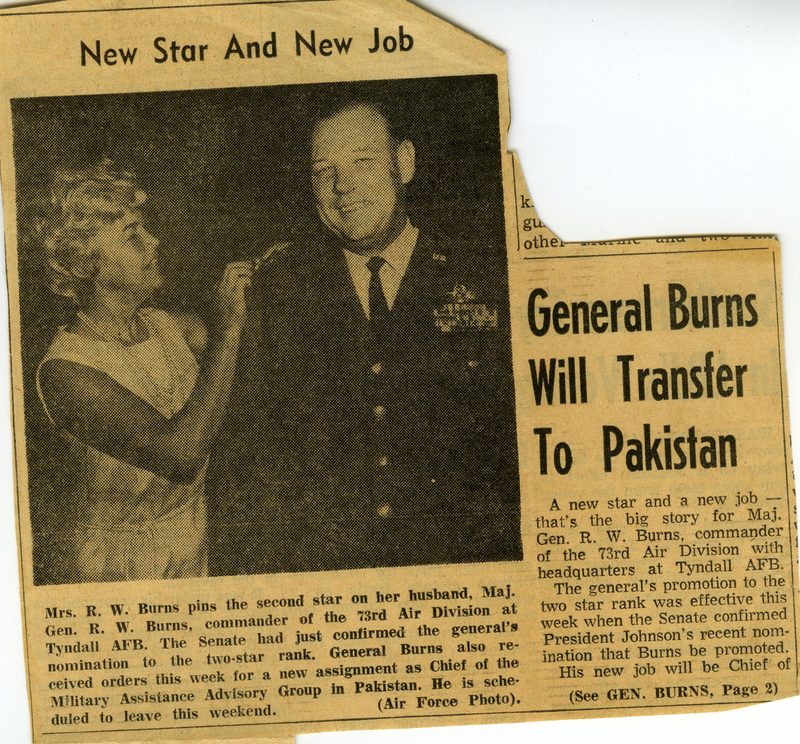
MAY 1965Major General
Ruth pinned the second star at Tyndall AFB days before the family left for Pakistan — the local paper headlined it "New Star And New Job."
-
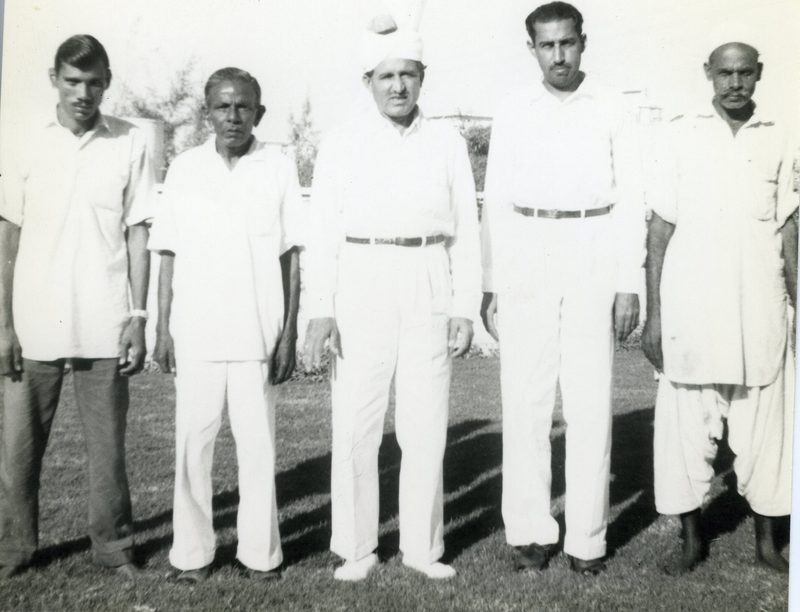
MAY 1965 – JUN 1967Karachi, West PakistanChief, Military Assistance Advisory Group83 hrs · 66 flights · C-54M
Country-team duty alongside the U.S. Ambassador, including golf with President Ayub Khan — and the 1965 India–Pakistan War, during which U.S. dependents were evacuated to Iran. Nearly all his flying was in a single C-54M Skymaster.
-
JUN 1967 – AUG 1968Seymour Johnson AFB, Goldsboro, North CarolinaCommander, 19th Air Force71 hrs · 28 flights · VT-29B, T-39A
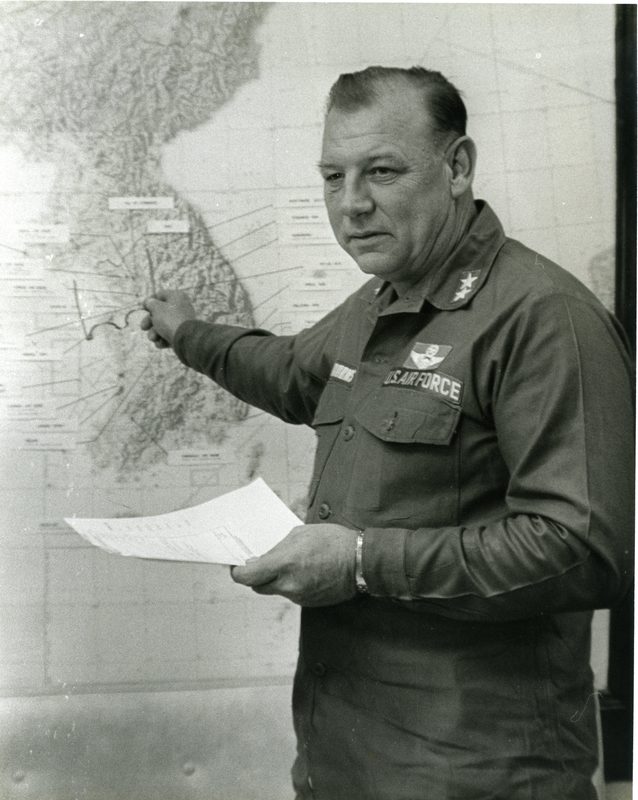
When North Korea seized the USS Pueblo in January 1968, Bob deployed with his headquarters to Osan Air Base, Korea, for six months — the subject of the archive's Pueblo Incident page and nineteen of its photographs.
-
AUG 1968 – JUN 1969Hamilton AFB, CaliforniaCommander, 4th Air Force226 hrs · 86 flights · T-39A, VT-29D
Numbered air force command north of San Francisco Bay.
-
JUN 1969 – JUL 1970Ent AFB, Colorado Springs, ColoradoChief of Staff, Aerospace Defense Command168 hrs · 62 flights · T-39A
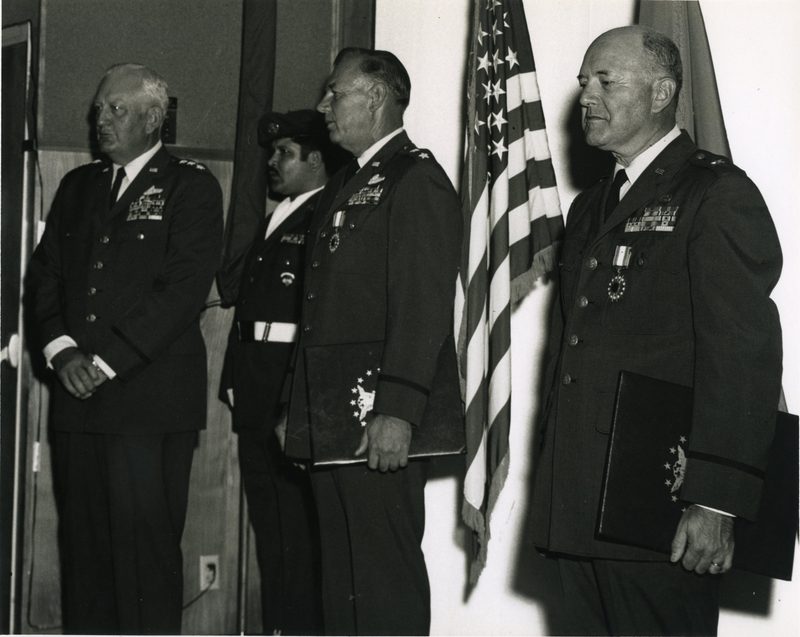
A final Pacific inspection circuit — Hickam, Pago Pago, Christchurch, Sydney, Clark, Hong Kong, Kadena, Cold Bay — and retirement on July 31, 1970, after 31 years of service. His last Form 5 closed the books at 7,451 hours.
Props to Jets — What He Flew
Hours and flight counts computed from the digitized flight records, October 1945 – July 1970.
The Propeller Years · 1945–1954
Guard fighters and wartime-surplus transports — Nashville, Norfolk, the Pentagon, Athens.
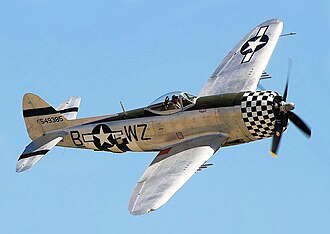
Redesignated F-47 in 1948 when the Air Force became a separate service.
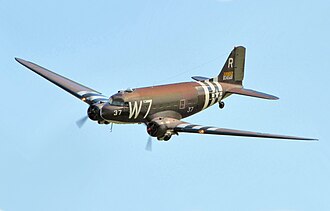
His mount across three continents — most of the Athens tour was flown in C-47s.
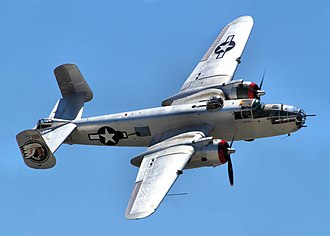
The Pentagon years' proficiency aircraft, plus TB-25 trainers at Mitchel Field.
The Interceptor Years · 1954–1962
Air Defense Command's jet age — McChord and Colorado Springs.
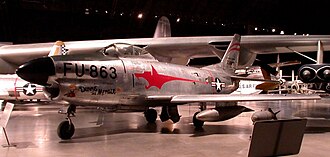
A colonel in his late thirties checking out in single-seat radar interceptors at McChord.
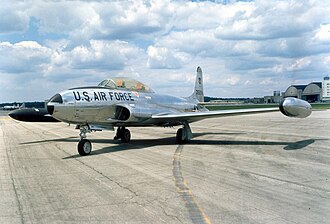
His highest-hour jet — the staff officer's proficiency aircraft for over a decade.
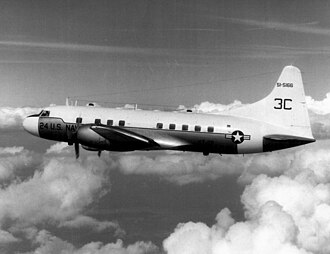
Long-legged command transport for ADC business across the continent.
The General’s Jets · 1962–1970
Command transport in the two-star years — Tyndall, Karachi, Korea, Hamilton.
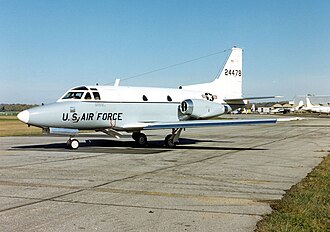
“Joy of joys.” His most-flown aircraft of the entire era — and the only type in his final year's logbook.
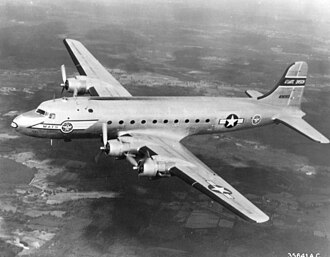
The MAAG's aircraft in Pakistan — essentially all his Karachi flying was in this one Skymaster.
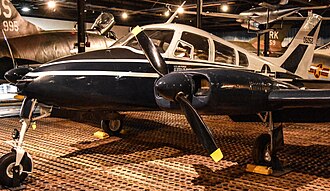
Short hops around the Gulf Coast during the Tyndall command.
See the complete fleet on the Aircraft Flown page — 55 of his 81 career types date from this era.
From the Family Photographs
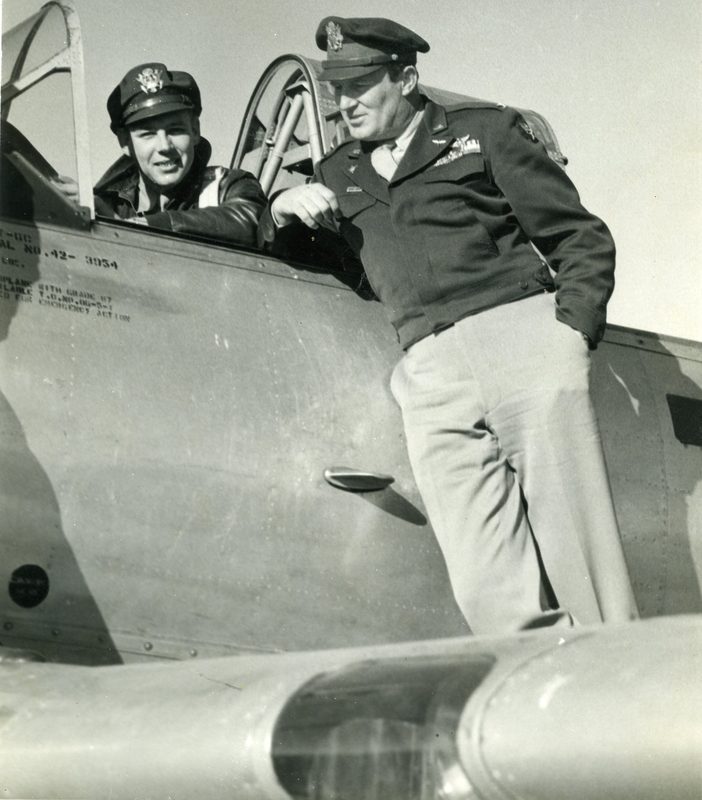
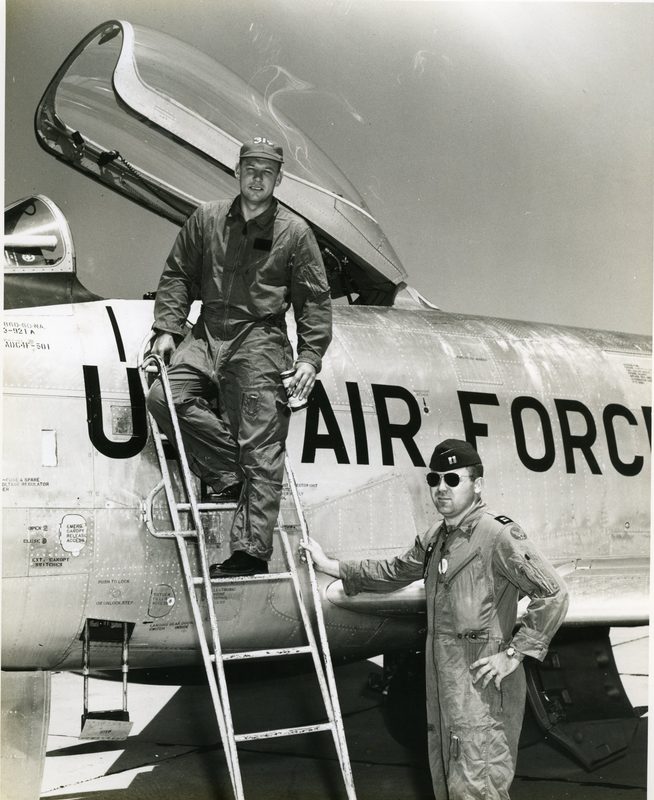
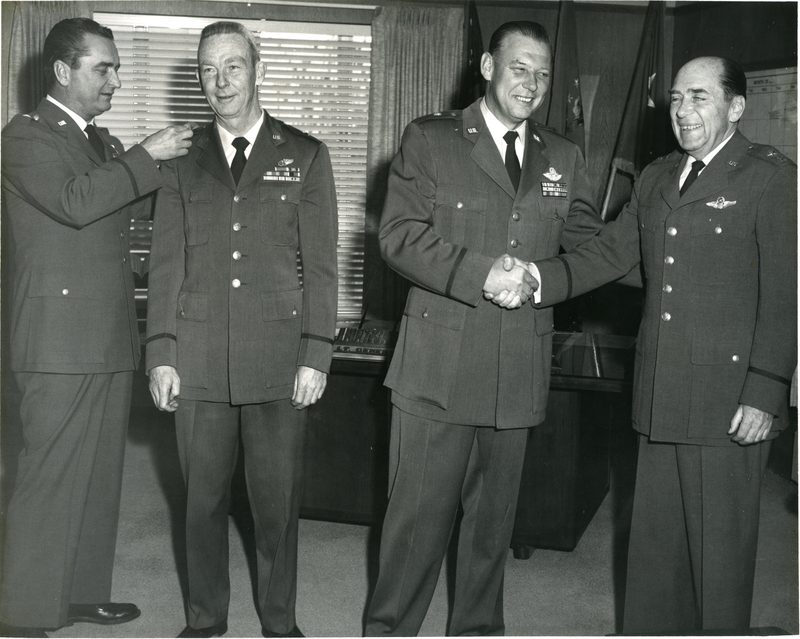
Browse all 94 annotated photographs in the photo gallery.
In Bob’s Own Words — Morning Reports
Greenwich Wedding
“The main reason for going to the East coast was that I wanted to be as close as possible to where Ruth would land when she returned, which was only a matter of time.”
Read the full story →The Grand Ole Opry Tour
“I found that I was the chief of the Special Services branch of Air Force Personnel… base libraries, hobby shops, and interservice sports contests.”
Read the full story →Rom Puryear: The Co-Boss
“My next assignment was at McChord AFB as the Dep. for Operations of the 25th Air Division, commanded by a B/G Rom Puryear.”
Read the full story →T-39 Cross-Country: 41,000 Feet
“And along with the job came a new T-39, a North American twin jet transport. Joy of joys.”
Read the full story →Deeper in the Archive
The USS Pueblo Incident
January 1968: 19th Air Force deploys to Osan, Korea. Nineteen photographs and the operational story.
Punch Cards & ADP
His decoded IBM AF Form 1500 punch cards (~1968) — a general's career as the Air Force's computers recorded it.
Becky and Dad (Audio)
A family cassette: Becky interviews her father about his life and career. Audio with full transcript.
The Flight Log, 1945–1970
Every monthly Form 5 of the era, with scans — the primary source behind this page.
Assignment Geography
The map above is a visual rendering of the table below, tracing the thirteen postings in chronological order. All information shown on the map is in the table.
| Period | Station | Location | Role | Hours |
|---|---|---|---|---|
| Oct 1945 – Aug 1946 | Mitchel Field | Long Island, New York | CO, XXXth Bomb Scoring Unit | 181 |
| Aug 1946 – Sep 1948 | Berry Field | Nashville, Tennessee | Tennessee Air National Guard | 533 |
| Sep 1948 – Jun 1949 | Armed Forces Staff College | Norfolk, Virginia | Student | 119 |
| Jun 1949 – Jun 1952 | Headquarters USAF | Washington, D.C. | DCS Personnel; R&D Strategic Air Section | 289 |
| Jun 1952 – Nov 1954 | JUSMAAG Greece | Athens, Greece | Deputy Chief, AF Section | 392 |
| Dec 1954 – Jun 1957 | McChord AFB | Tacoma, Washington | Dir. of Operations, 25th Air Division | 303 |
| Jun 1957 – Jun 1958 | National War College | Washington, D.C. | Student | 121 |
| Jun 1958 – Jun 1962 | Ent AFB | Colorado Springs, Colorado | Dir. of Operations, ADC | 287 |
| Jun 1962 – May 1965 | Tyndall AFB | Panama City, Florida | Commander, 73rd Air Division | 319 |
| May 1965 – Jun 1967 | MAAG Pakistan | Karachi, West Pakistan | Chief, MAAG | 83 |
| Jun 1967 – Aug 1968 | Seymour Johnson AFB (deployed: Osan AB, Korea) | Goldsboro, North Carolina | Commander, 19th Air Force | 71 |
| Aug 1968 – Jun 1969 | Hamilton AFB | Marin County, California | Commander, 4th Air Force | 226 |
| Jun 1969 – Jul 1970 | Ent AFB | Colorado Springs, Colorado | Chief of Staff, ADC | 168 |
Source Context
Flight statistics computed from 210 monthly AF Form 5 Individual Flight Records digitized for October 1945 – July 1970 (career total of 7,451 hours from the final PCN 22106A form). Assignment history from Gen. Burns' personnel record and the family timeline; narrative details and quotations from his 2003 “Morning Report” emails; promotion dates corroborated by his DD Form 13 grade history and family photographs.
Previous chapter: WWII & the 351st Bomb Group