The Mission That Earned the Cross
On a Sunday in August 1944, Lieutenant Colonel Robert W. Burns flew in the lead ship of the 351st Bomb Group’s “A” box to the Daimler-Benz aero-engine works at Genshagen, just south of Berlin — a factory building the engines that powered the Luftwaffe. Thirty-four of the Group’s Fortresses crossed into enemy territory that day. Two did not come back. This room rebuilds the mission from the 351st Bomb Group Association’s own files — the field order, the flak log, the formation, the battle damage, and the crews’ own words in the debrief — and sets it beside Bob’s Form 5.
- Date
- 6 Aug 1944
- Target
- Genshagen, near Berlin
- His position
- Pilot, lead box
- His rank
- Lt. Col.
- His ship
- 42-97967
- Recognition
- Distinguished Flying Cross
01 / The Plan, as Briefed
From the field order in the mission file: when they started, where they were sent, and what they carried.
Lead box time schedule
- 0635 Stations
- 0645 Start engines
- 0655 Taxi
- 0710 Take off
- 0810 Last take off
- 1224 Bombs away over Genshagen
Targets, in order
- PrimaryGenshagen — Daimler-Benz Motoren Works
- SecondaryGardelegen
- Last resortPFF Berlin
Load, 351 “A”: 10 × 500 lb · chaff in all ships
02 / The Route, in Flak
Every burst of flak the Group logged that day, by the clock and by altitude. They crossed the German coast near 20,000 feet around 10:40, climbed above 25,000 over the Berlin defenses, put their bombs on Genshagen at 12:24 — the apex of the day — and came home back across Heligoland at 13:33. Filled markers are moderate flak; open markers are meager. The exact log is in the table beneath the chart.
Moderate, accurate, continuous following; the report notes
All flak was continuous following.
Show the flak log as a data table
| Location | Time | Altitude (ft) | Assessment |
|---|---|---|---|
| Heligoland (inbound) | 10:40 | 20,000 | Moderate; height good, deflection fair |
| Nordholz | 10:50 | 22,000 | Meager, inaccurate |
| Wesermünde | 10:51 | 20,000 | Moderate, fairly accurate |
| Eastern Berlin | 12:15–12:25 | 25,000 | Moderate, accurate |
| Genshagen (target) | 12:24 | 25,560 | Moderate, accurate, continuous following |
| Brandenburg | 12:40 | 25,000 | Meager; height good, deflection fair |
| Heligoland (outbound) | 13:33 | 20,000 | Moderate |
03 / Three Boxes Over the Target
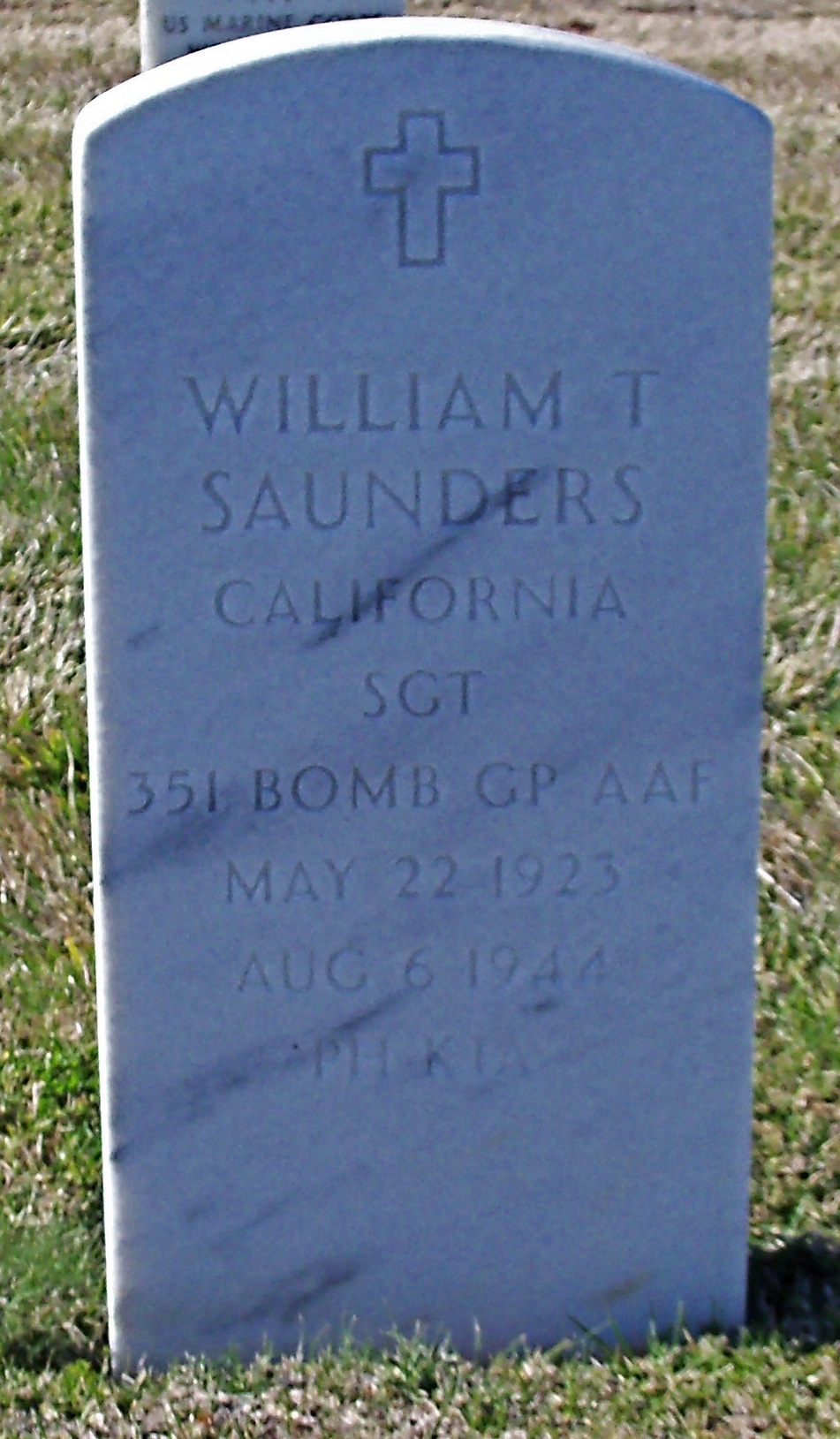
The Group attacked in three boxes. Bob flew in the lead — which held the longest, straightest bomb run of the three: eighty seconds on a fixed heading while the following boxes needed only nine. The two aircraft lost to flak were both shot down over the target, out of the low and high boxes.
Lead
- Bombing altitude
- 25,560 ft
- Axis of attack
- 309° Mag
- Bomb run
- 80 sec
- Lost to flak
- 0
Low
- Bombing altitude
- 24,000 ft
- Axis of attack
- 315° Mag
- Bomb run
- 9 sec
- Lost to flak
- 1
High
- Bombing altitude
- 25,800 ft
- Axis of attack
- 315° Mag
- Bomb run
- 9 sec
- Lost to flak
- 1
The lead bombardier that day, Capt. Allan D. Behrendt, flew with Bob and reported the run
clean: The briefed aiming point was easily identified and was used
.
04 / The Cost
The battle-damage list runs for pages — flak and 20 mm cannon damage to wings, tanks, stabilizers, oxygen lines. One representative entry, on a 508th Squadron ship, reads:
Three flak holes right side of vertical stabilizer, damaging skin and internal bracing. — Battle Damage report, Mission 185 (351st Bomb Group Association)
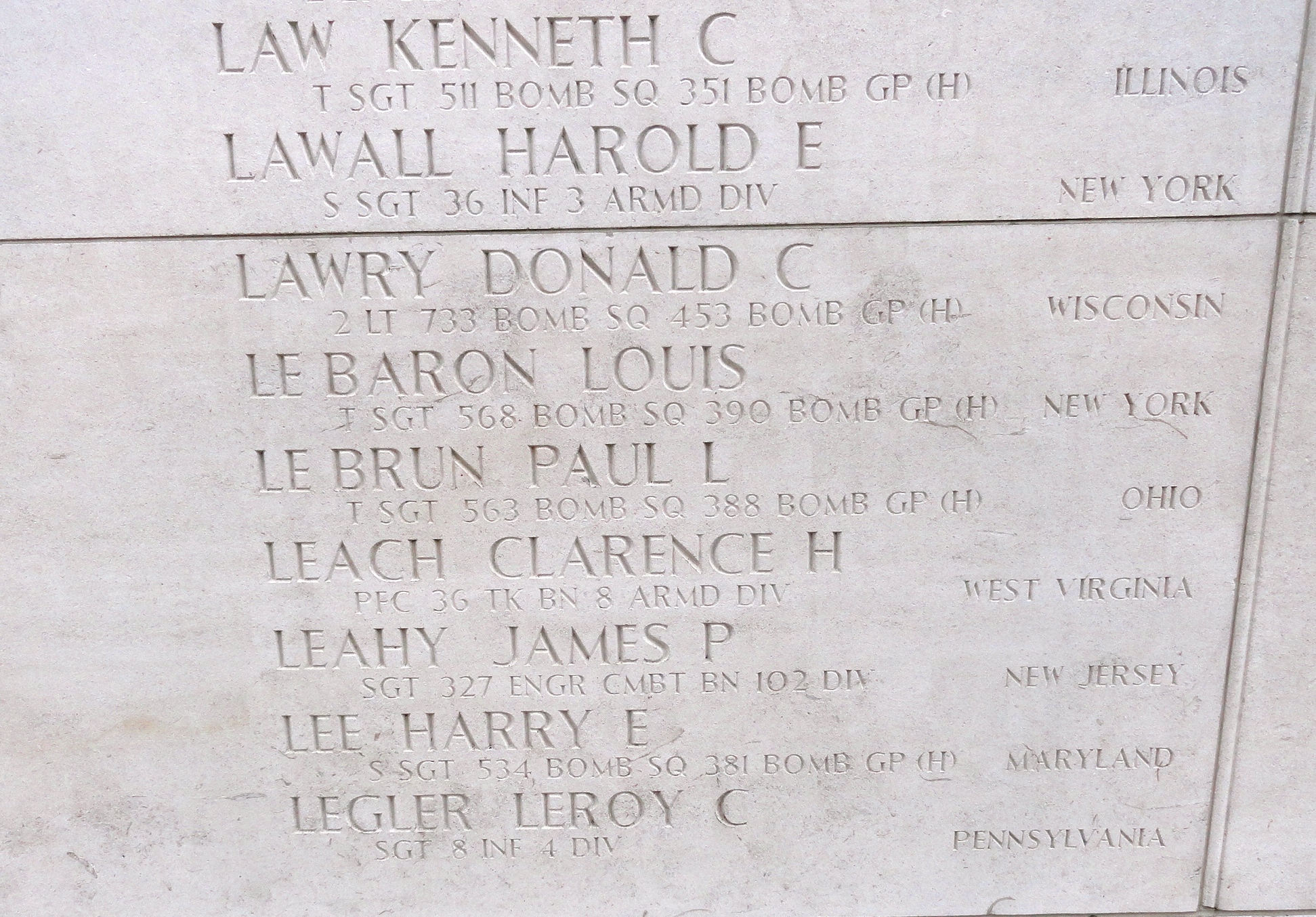
Lt. Kenneth C. Law
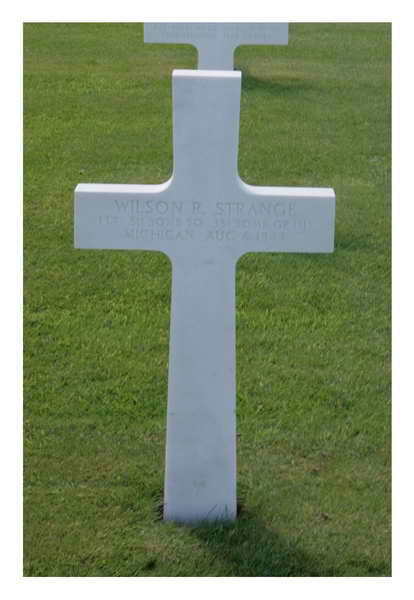
One of the men who did not return. Recorded Missing in Action and memorialized on the Tablets of the Missing at the Netherlands American Cemetery, Margraten. Awarded the Air Medal and the Purple Heart. The two aircraft lost over Genshagen carried men; the numbers above each have a name behind them. (Burial record courtesy of the American Battle Monuments Commission.)
05 / The Voices in the File
The 351st preserved the crews’ verbatim comments from the debrief. On 6 August they were blunt — the Group had flown twelve-ship formations instead of the eighteen they trusted, and they had been sent within range of the Heligoland guns twice. These are their exact words.
Want the 18 ship formation back
— A/C 156-R, 509th Squadron (Crew)Twelve ship formation is ineffective
— Lt. McGee, A/C 252-K, 510th SquadronThere was no reason whatever for going within range of flak at Heligoland
— Lt. Underhill, A/C 926-X, 509th SquadronWhy did we come back over Heligoland?
— A/C 696-Z, 509th Squadron (Crew)
The flak chart above answers them in data: Heligoland appears twice — 10:40 inbound and 13:33 on the way home — exactly the doubling the crews objected to.
06 / Where the Sources Differ
This archive weighs its sources against each other and shows the seams rather than hiding them.
- “Berlin” or “Genshagen”? — Our own mission index records the target as Berlin; the field order names it Genshagen / Daimler-Benz Motoren Works, about twenty miles south of the city. Both are true: Genshagen was the aiming point, “Berlin” the shorthand. We use Genshagen here, after the primary record.
- His ship: 42-97967, or “Z-965”? — The crew loadlist assigns Bob aircraft 42-97967; the Combat Bombing Flight Record logs the lead ship as “Z-965.” A common transcription variance between the two contemporaneous forms; noted, not resolved.
- ✓ His Form 5 confirms the file. His own flight log records 6 Aug 1944, B-17G, 8:30 — matching the mission file’s lead-crew record of take-off 0705 and landing 1535 to the minute.
- How many missions did he fly? — His combat total is itself contested across sources (the 351st records, his own recollections, and wartime press give different counts). That open question is tracked separately; this page documents one mission, not the tally.
07 / His Crew That Day
Eleven men in the lead ship, from the Group loadlist.
- PilotLt. Col. Robert W. Burns351st HQ · air commander
- Co-pilotCapt. Sterling L. McClusky
- Navigator1st Lt. Billy V. Gwyn
- BombardierCapt. Allan D. Behrendt
- Top turretS/Sgt Paul C. Reilly
- Radio op.T/Sgt Herman Appelman
- L. waist gunS/Sgt James D. McNeill
- R. waist gunS/Sgt Jim H. Foster
- Mickey op.2nd Lt. James S. Lunan
- Tail gunCapt. Morris V. Harman
- Navigator2nd Lt. Benton F. Love Jr.“Ben Love”
08 / From the Mission File
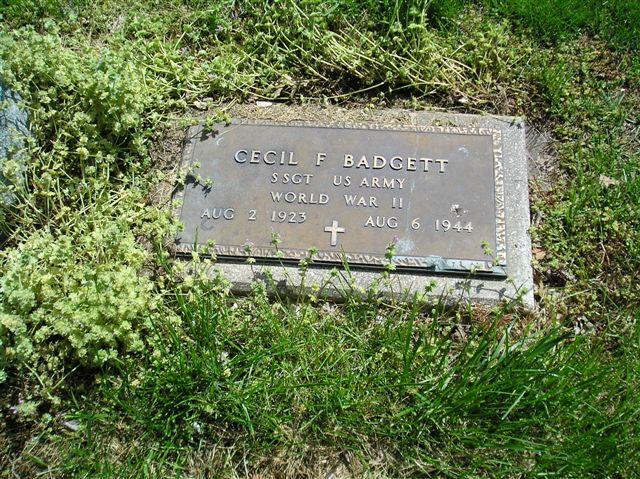
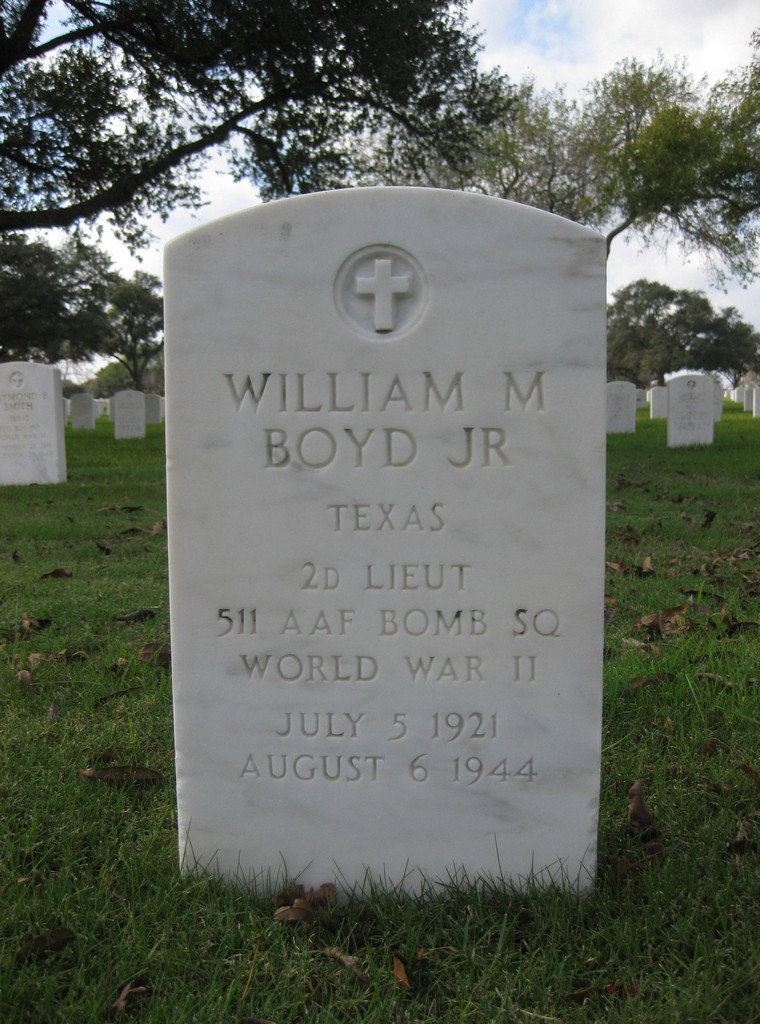
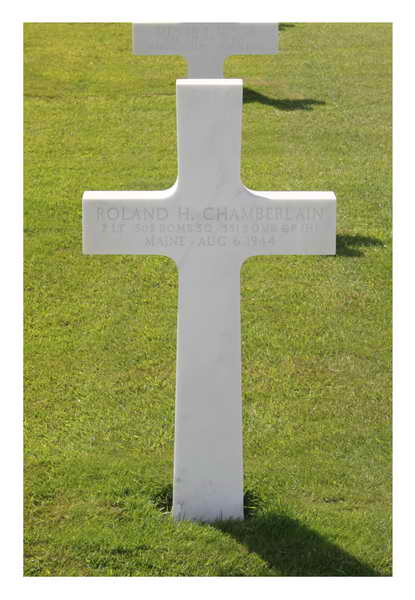
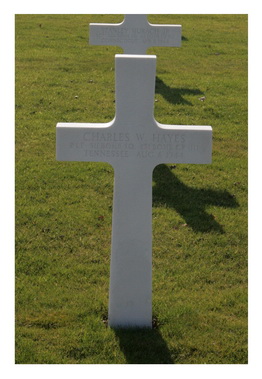
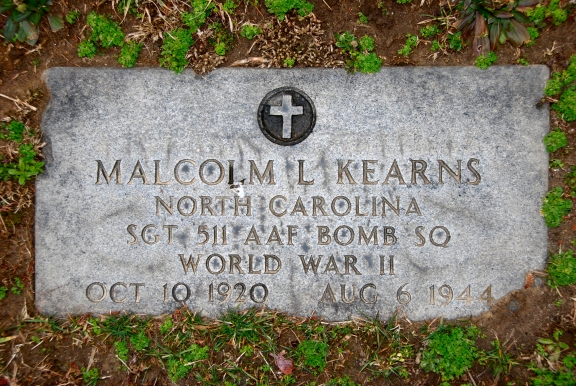
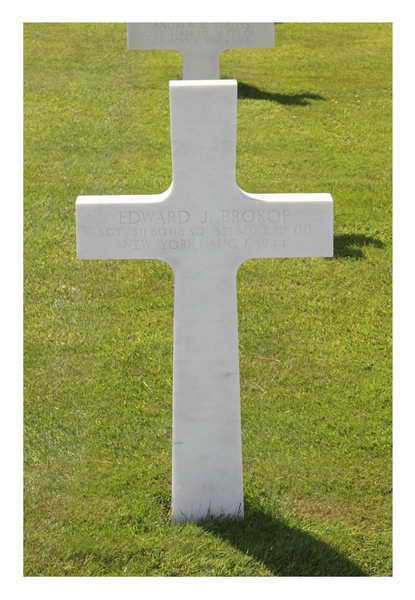
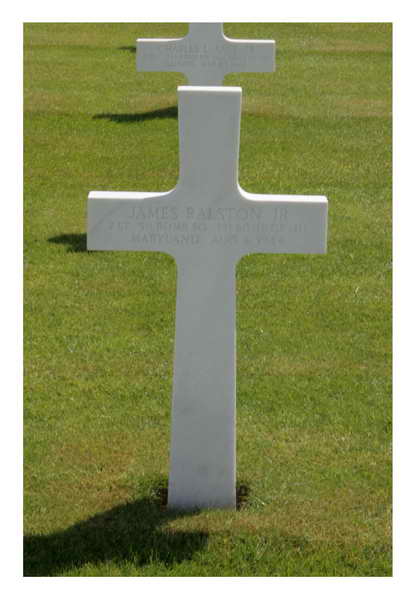
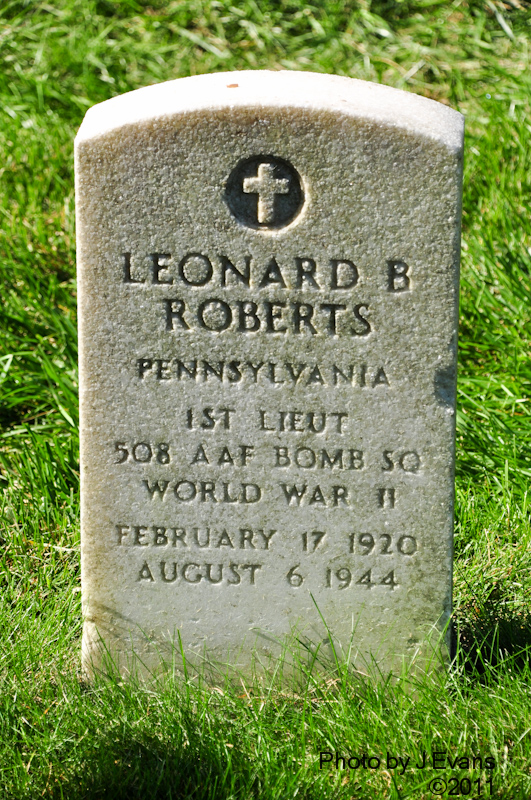
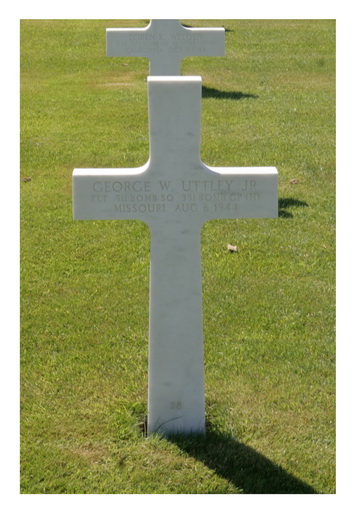
The primary artifacts, presented as documents rather than decoration. Track charts plot the route the navigators logged; the portraits are the men recorded in the Mission 185 file.
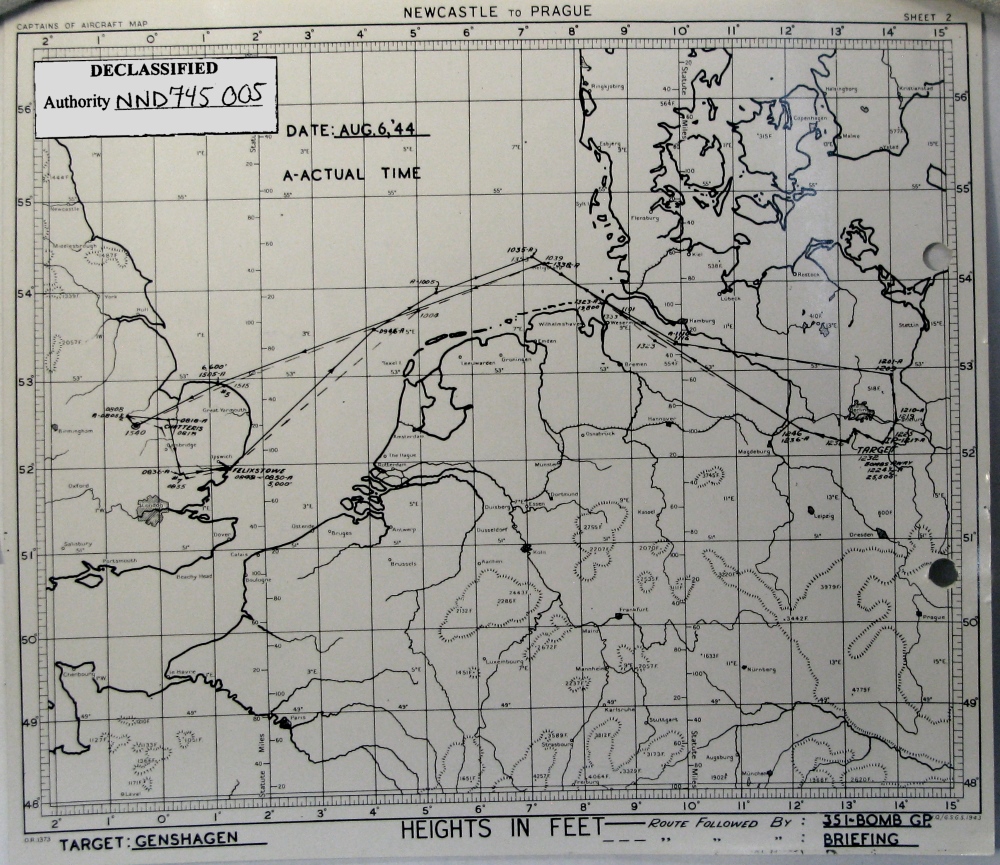
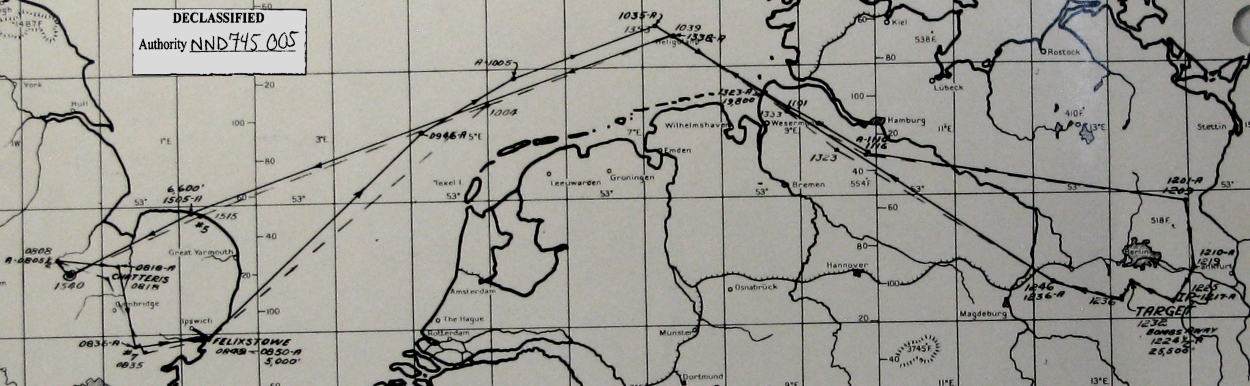
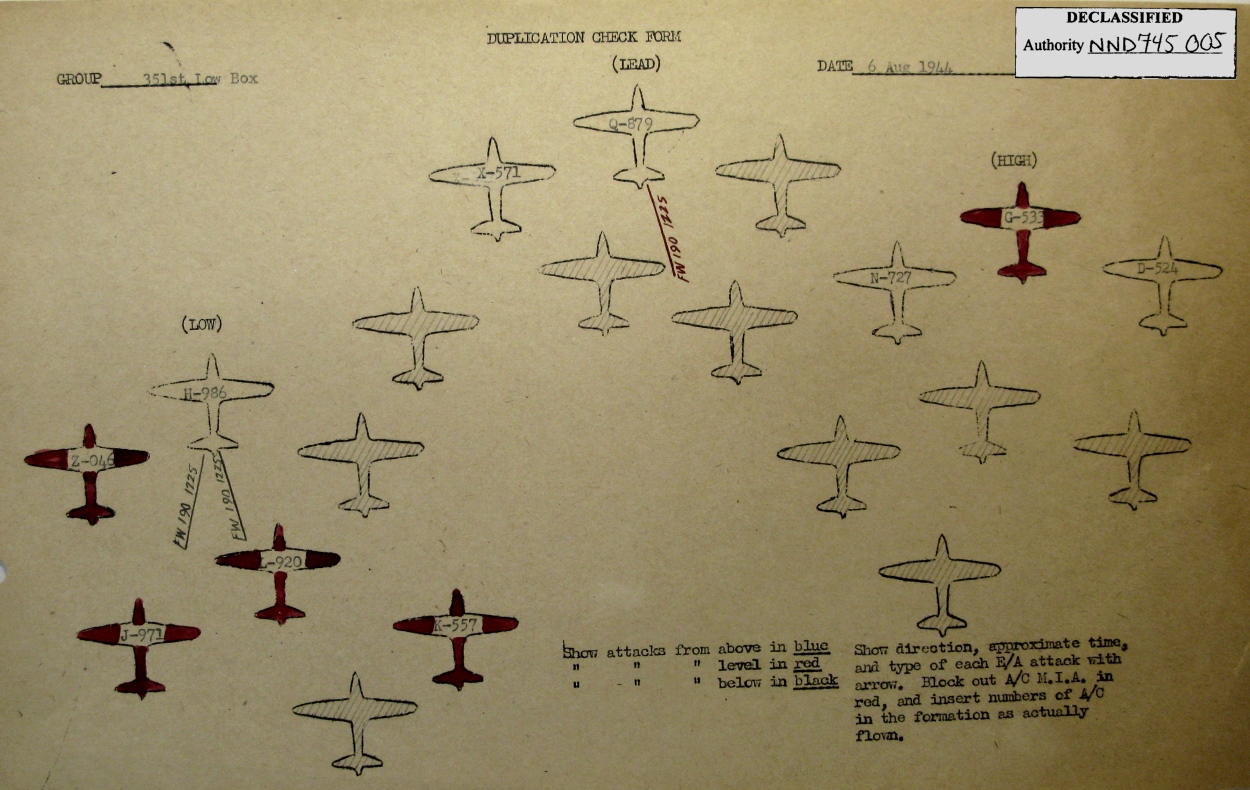
Men in the mission file
Portraits preserved by the 351st Bomb Group Association, identified by surname as filed.
Sources & Gratitude
Every fact, figure, document, and photograph in this room comes from the 351st Bomb Group Association and the mission file its volunteers compiled for Mission 185. The painstaking work of locating, scanning, transcribing, and publishing these wartime records — field orders, flak reports, battle-damage lists, crew comments, track charts, and the photographs of the men — is theirs. We have only re-presented it, and we are grateful for it. The quotations marked here are reproduced verbatim from that file and are verified against it on every build of this site.
Lt. Kenneth C. Law’s burial record is courtesy of the American Battle Monuments Commission. Bob’s flight time is from his own AAF Form 5, held in this archive.